The AI-Powered EMS Operations & Revenue Platform
LifelineIQ brings dispatch, documentation, operations, and revenue together in one platform, backed by our expert ambulance billing team.
- 14 Connected workspaces
- 1 Record for every call
- NEMSIS ePCR charting
- Expert Ambulance billers
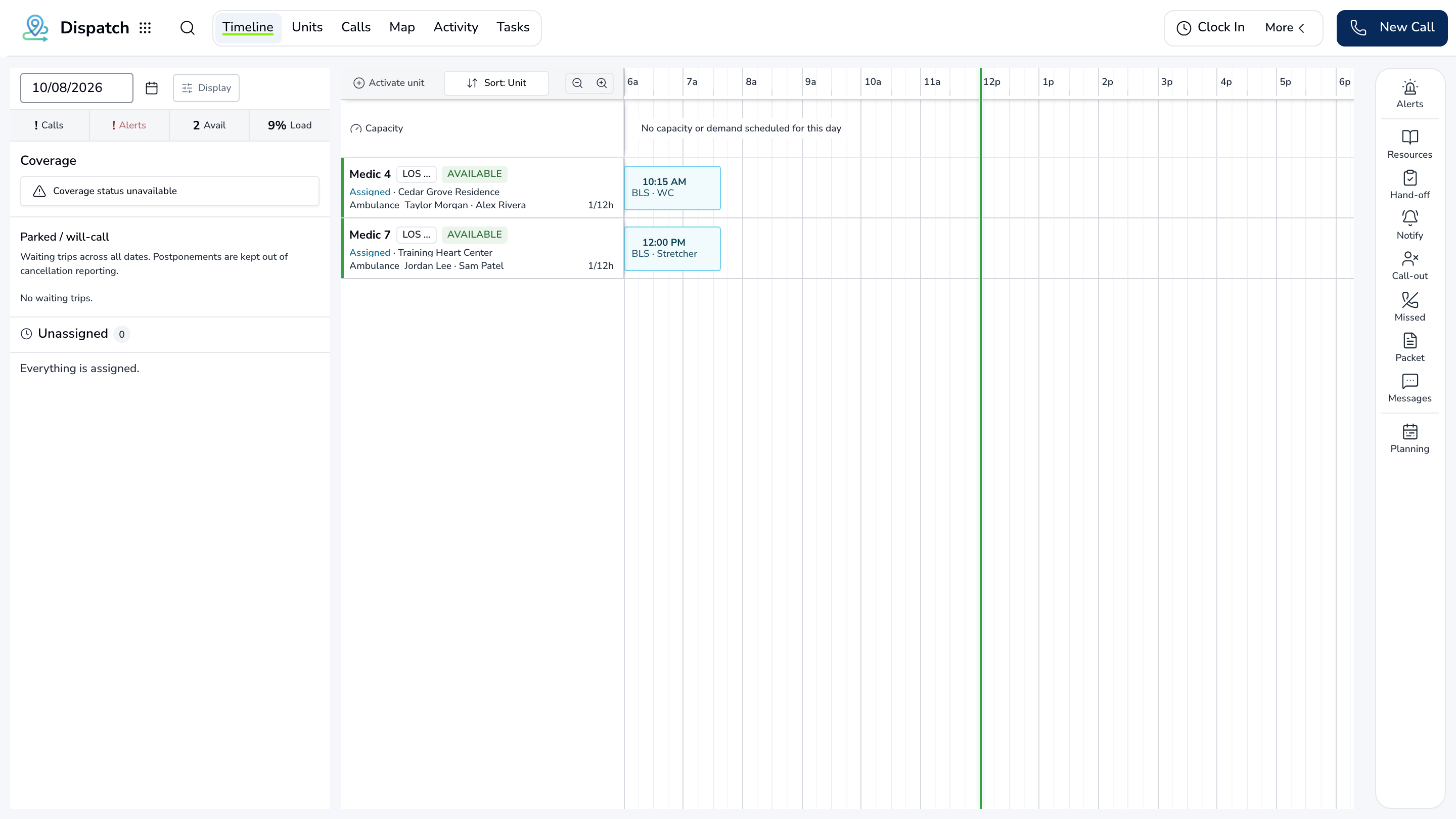
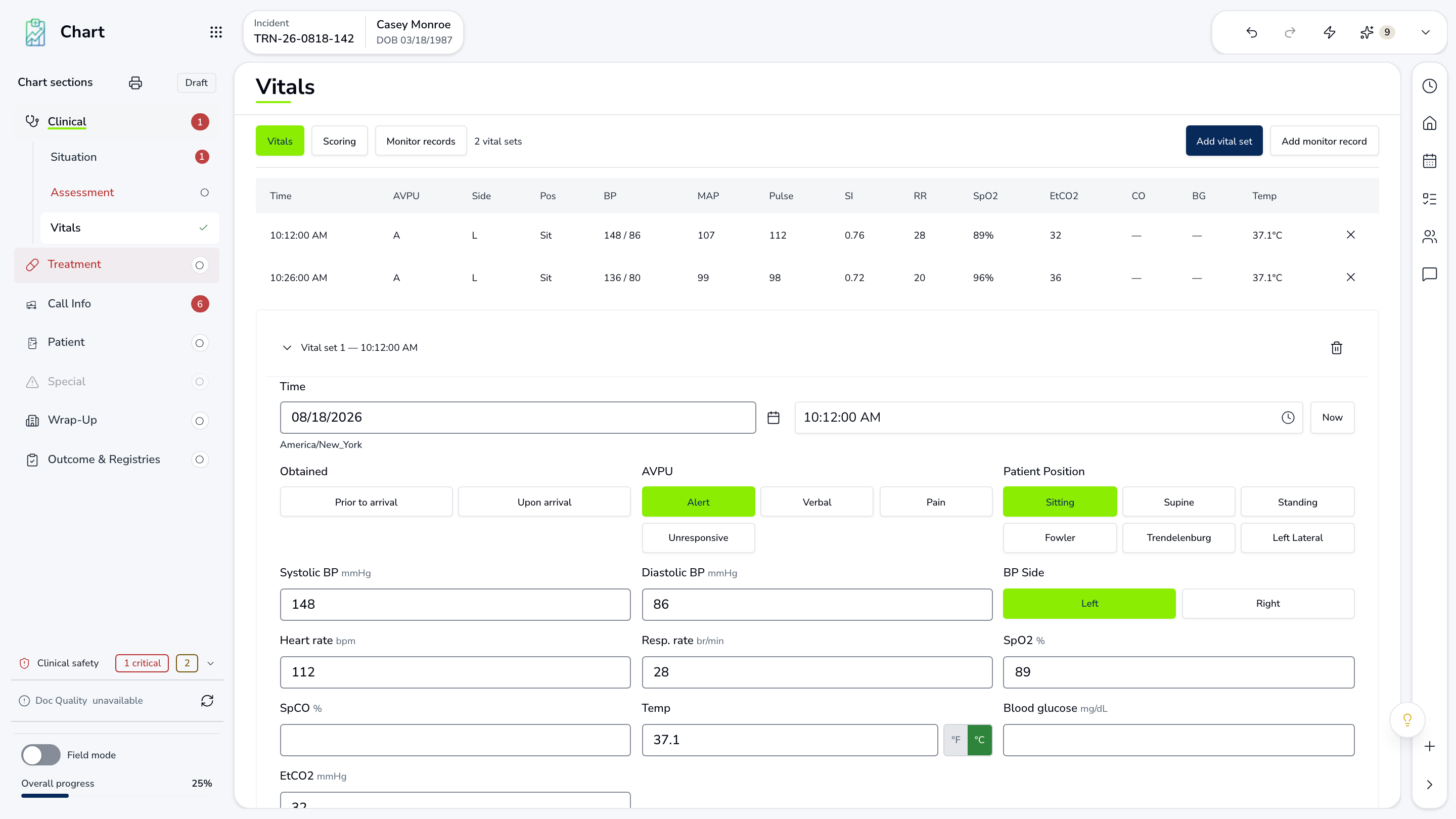
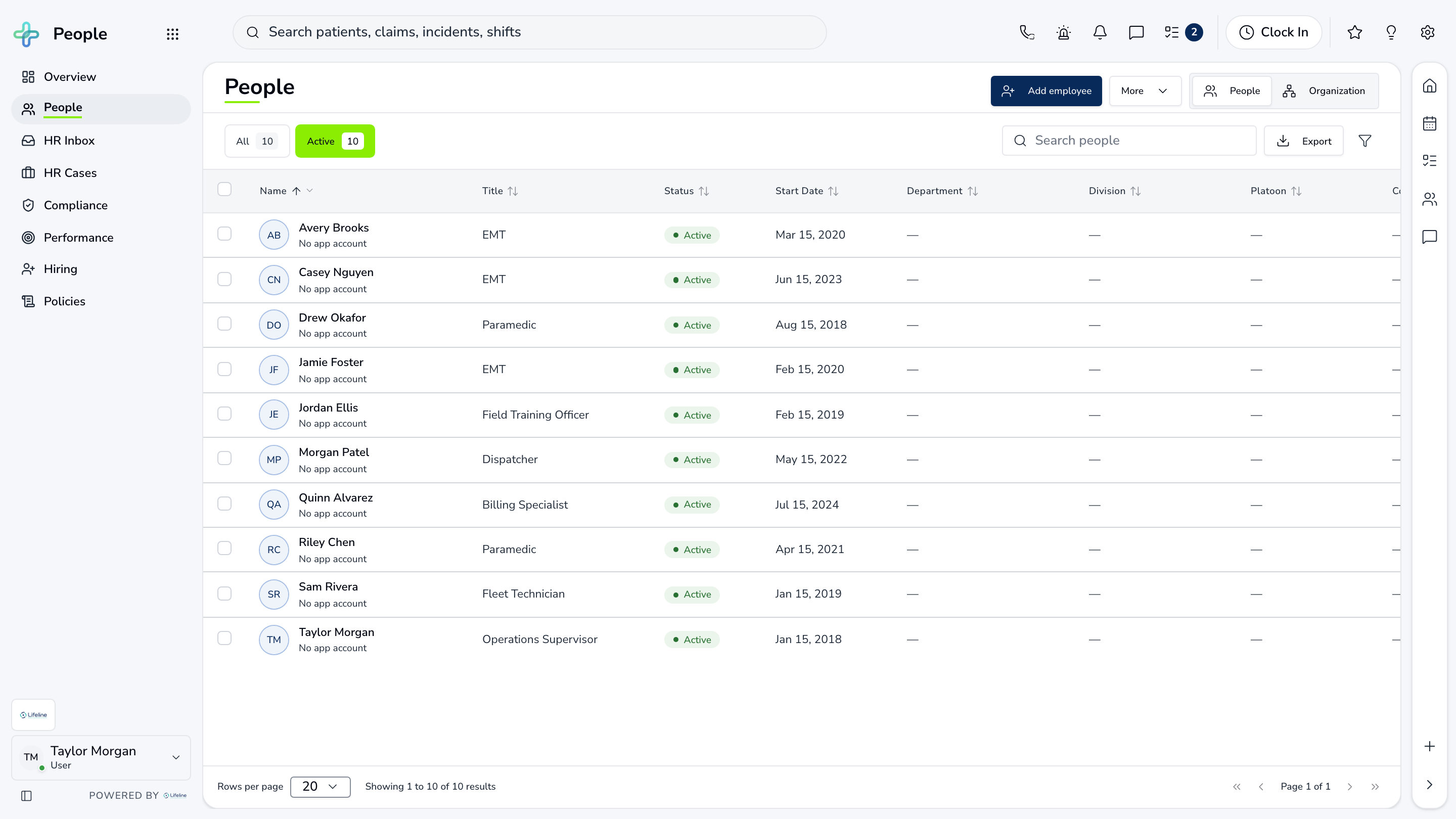
One Record, from Dispatch to Deposit.
Connect the first call and the crew's chart directly to the claim. Nothing gets retyped, lost, or argued about at the handoff.
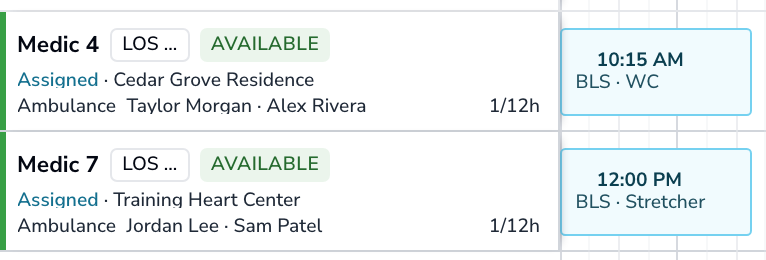
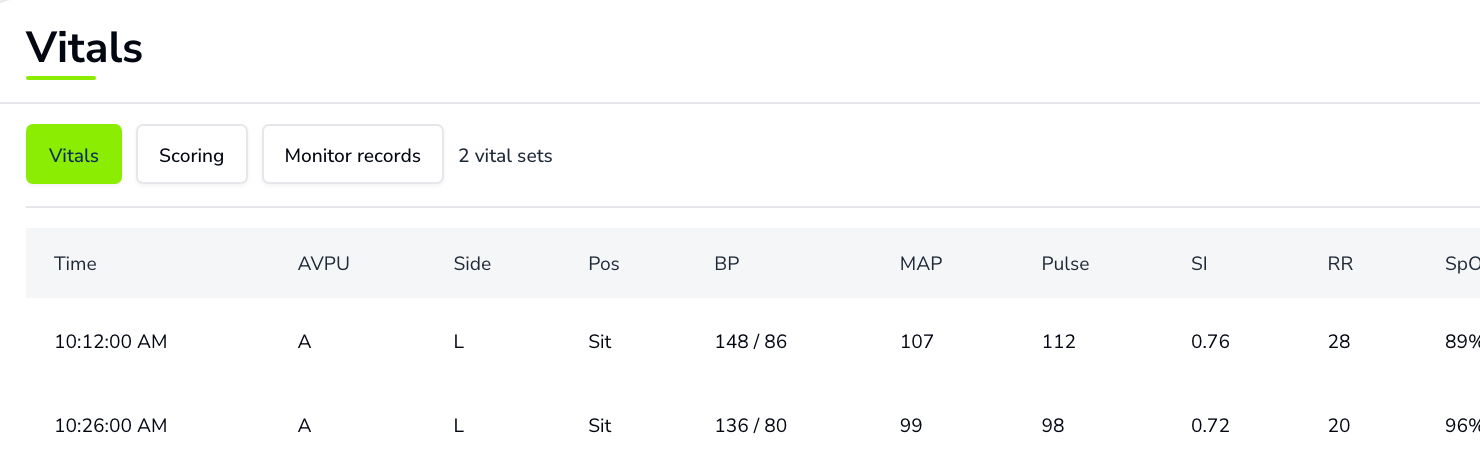
Billing & Revenue
Run billing with your own staff, or hand it to our ambulance billers. Our team works inside the same LifelineIQ claims your agency sees, so nothing happens out of view.
- 1
The chart becomes a claim
When the crew finishes the chart, it lands in the billing queue with the patient, service, and coverage details attached.
- 2
Our billers prepare and submit it
AI checks for missing signatures, coverage, and coding gaps. An experienced ambulance biller reviews and makes every decision.
- 3
We work it until it is paid
Your biller handles payer follow-up, denials, appeals, and patient calls, and logs each step on the claim.
- 4
You see all of it
Open any claim to see where it stands, what happened, and who owns the next step.
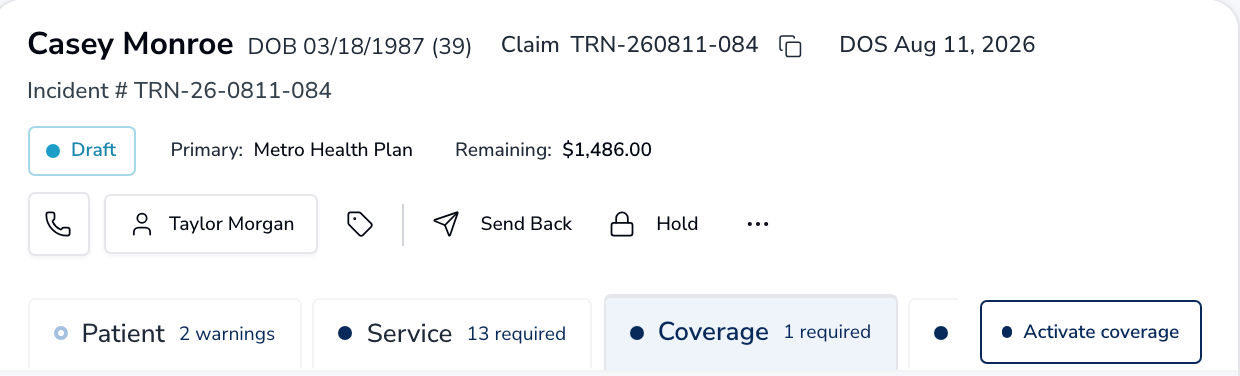
Built for How EMS Actually Works
One platform from the first ring to the final payment, designed with the dispatchers, crews, and billers who use it every shift.
14
connected workspaces on one record
1
login for dispatch, charting, and billing
100%
of AI suggestions reviewed by a person
See the Software Your Teams Would Use
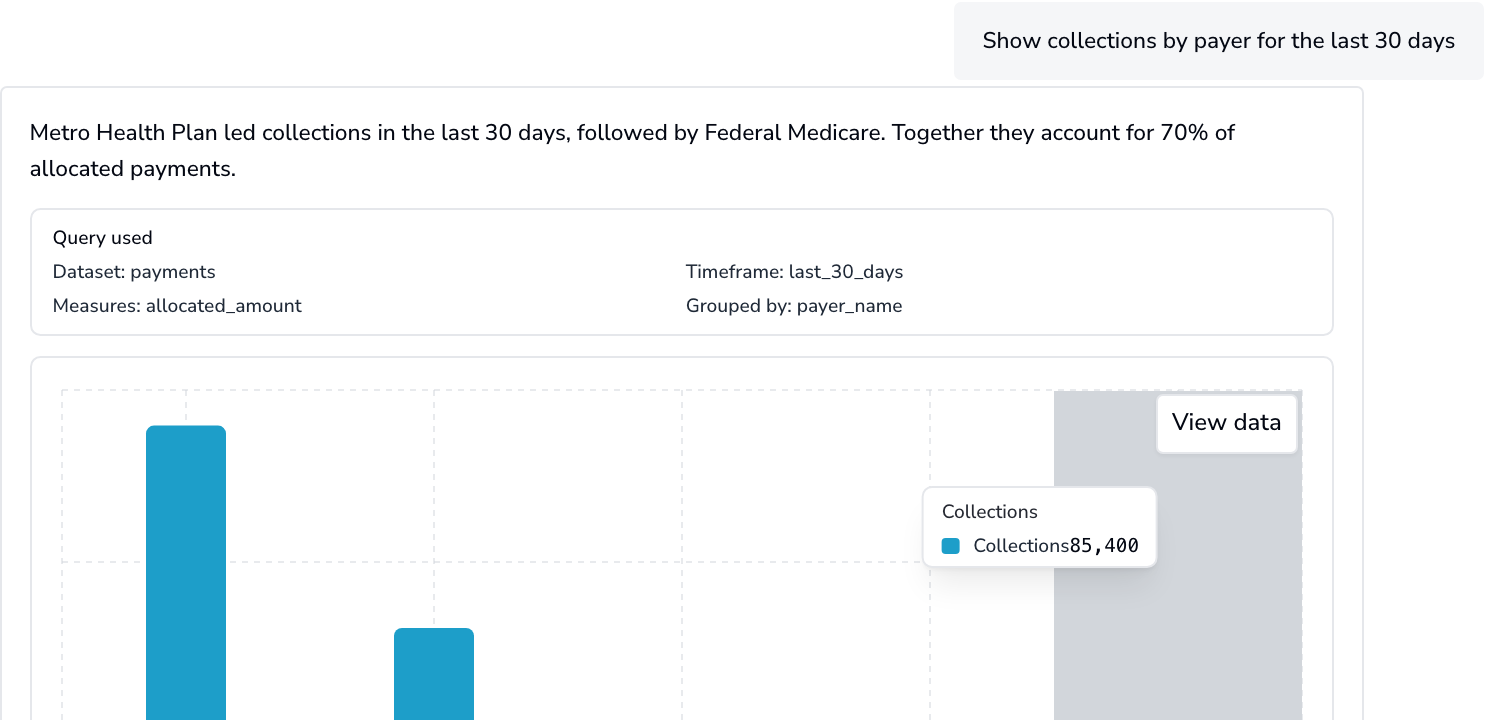
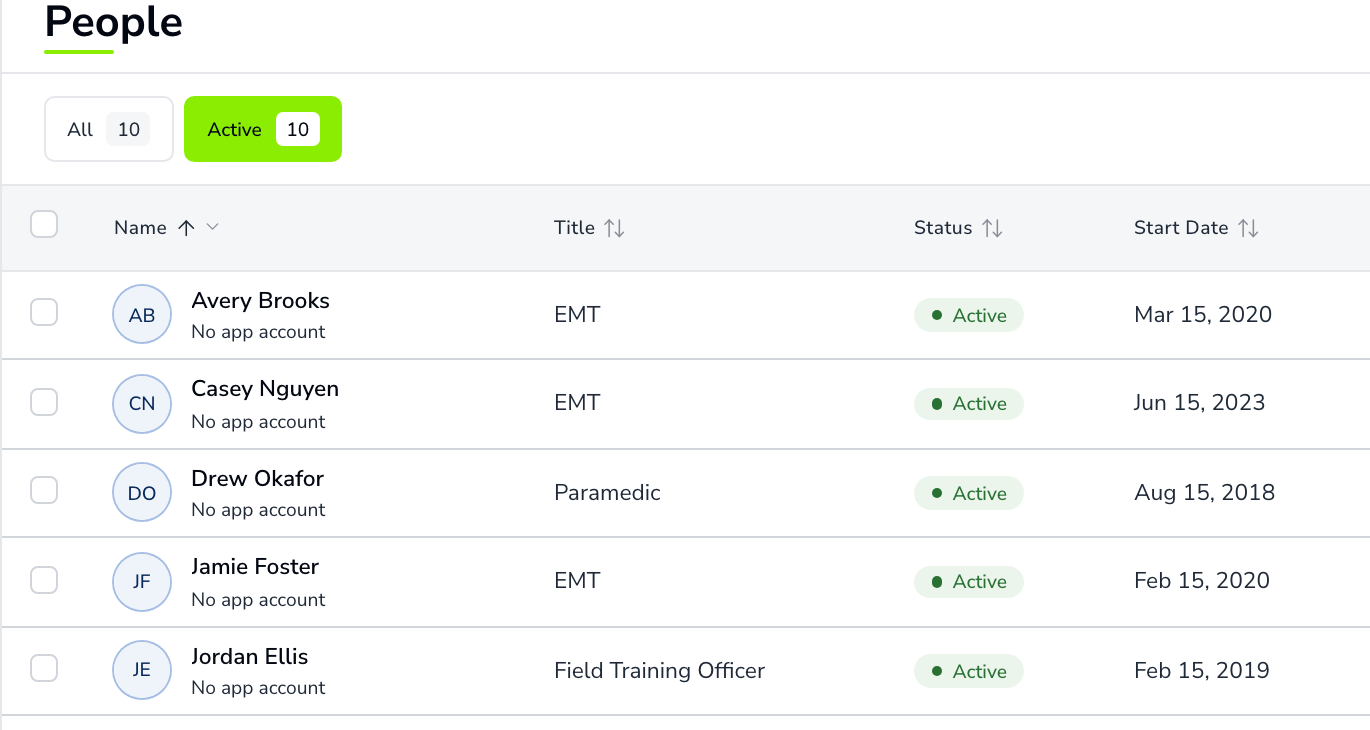
Real screens from the product, shown with sample records.
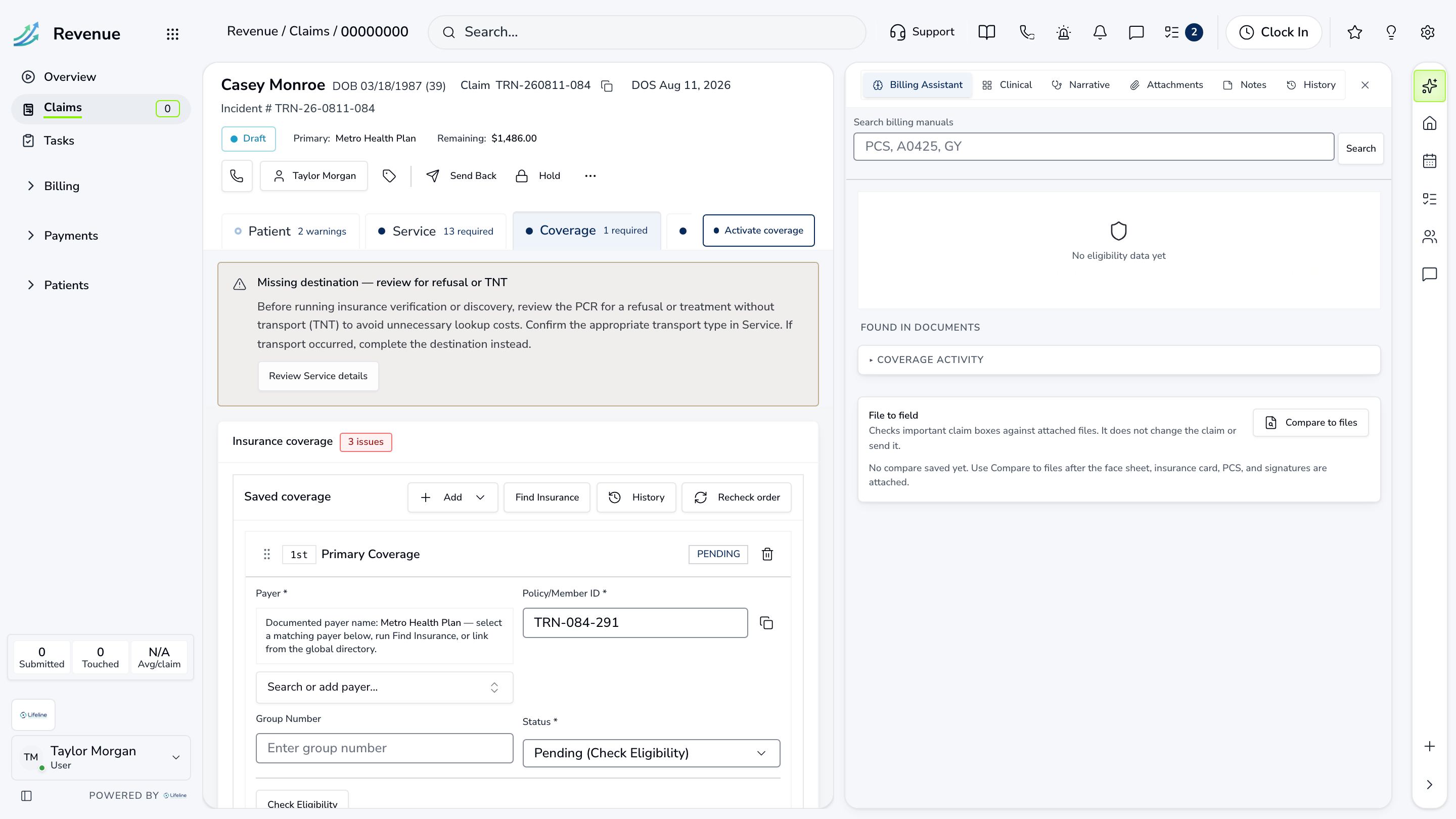
Claims worked with the chart beside them.
Billers see coverage, coding, and payer history on the claim, with the source documents a click away.
Explore Revenue →AI Does the Busywork. Your People Make the Calls.
LifelineIQ uses AI where it saves real hours: reading charts, checking coverage, and preparing claims. Every suggestion goes to a person before it changes a claim.
01
Catches gaps early
Reviews charts and claims for missing signatures, documentation, and payer details before they turn into denials.
02
Finds the right payer
Checks eligibility and looks for coverage the crew could not collect in the back of the truck.
03
Prepares the next step
Drafts the claim, the appeal, or the follow-up so your team starts from finished work, not a blank screen.






Meet the People Behind Your Claims
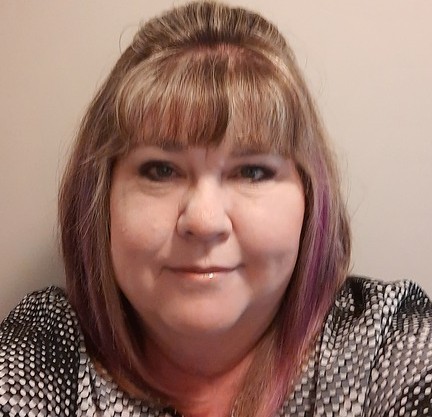
Lifeline Revenue is our ambulance billing team. They work inside LifelineIQ every day, so when you hand us your billing, you can open any claim and see who is working it and what they did.
Prefer to keep billing in house? Your staff gets the same software, and our team is there when you need help.
Built for the People Accountable for the Outcome
EMS Chiefs & Agency Leaders
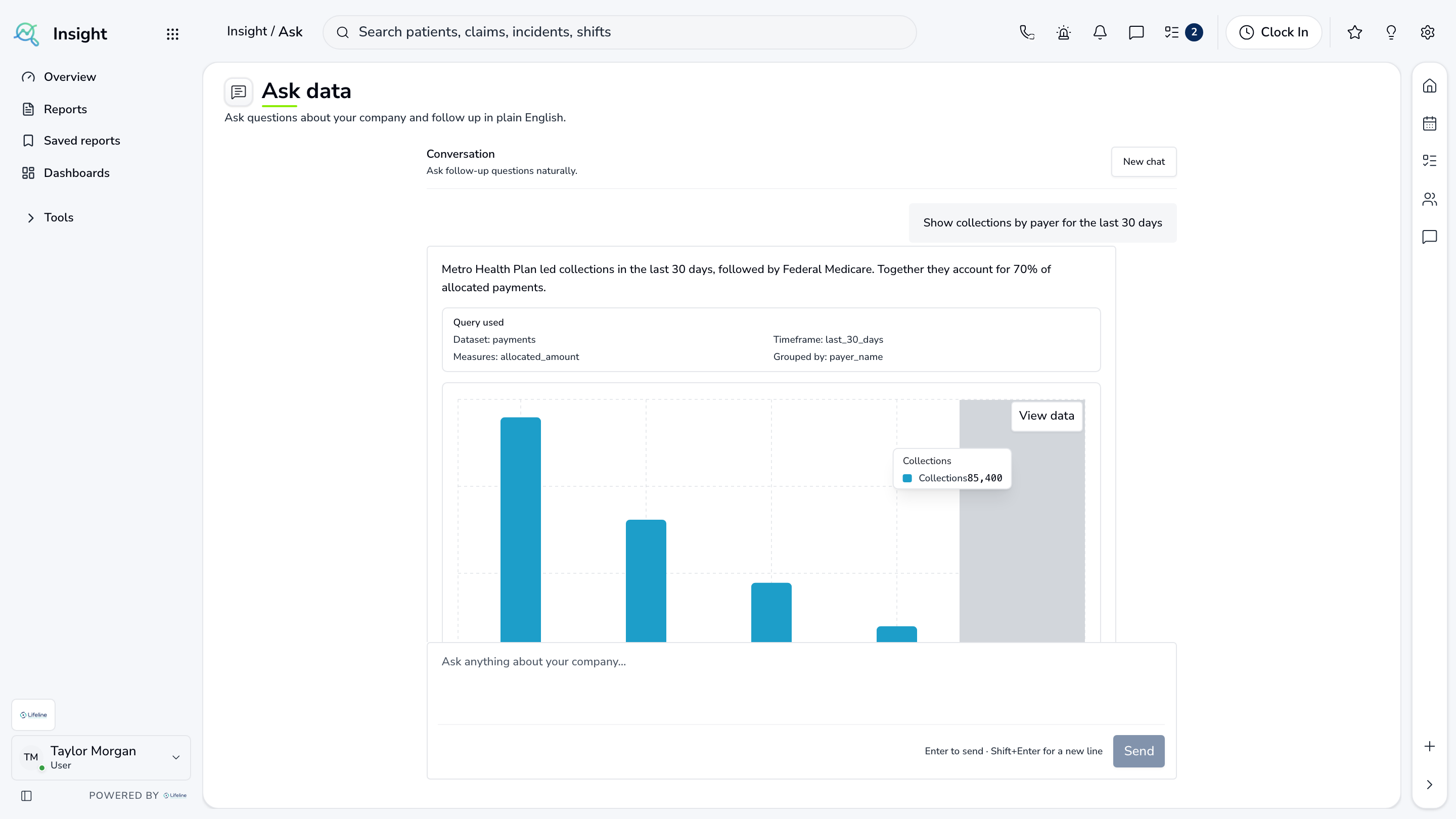
One view of calls, crews, readiness, quality, and collections, with every number traceable to the work behind it.
Hospital Systems
Interfacility transport that is dispatched, documented, and billed in one place, with clean handoffs to your teams.
City & County Governments
Audit trails, access controls, and procurement-ready documentation for a public service that answers for every dollar.
Bring the Hard Questions Early.
Review security controls, BAAs, integrations, data migration, training, and support before you sign anything.
Security & implementation →PHI Safeguards
Encryption, access controls, MFA, audit logging, and BAAs.
Integration Fit
NEMSIS/ePCR, CAD, clearinghouse, payment, and data-feed scoping.
Implementation Plan
Configuration, migration, testing, training, and go-live.
Availability in Writing
Included workspaces, prerequisites, and rollout sequence documented for your agency.
See Your Agency's Work in One Place.
Show us how a call moves through your agency today. We will walk the same path in LifelineIQ, from dispatch to deposit.